Nehemiah confronting sin, repenting from it, and exemplary leadership
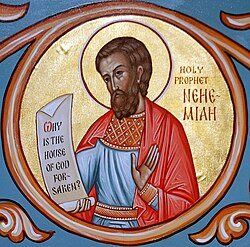
As we continue with this 8th lesson on Nehemiah, here we examine how Nehemiah confronts sin, the people's repentance, and what ethical leadership looks like.
Click here for the recording of this 2/8/26 Service, and you can fast-forward to 27:50 to get to the start of the sermon.
Our text is from Nehemiah 5
1 Now there was a great outcry of the people and of their wives against their Jewish brothers.
2For there were those who said, “We, our sons, and our daughters are many; therefore let’s get grain so that we may eat and live.”
3 And there were others who said, “We are mortgaging our fields, our vineyards, and our houses so that we might get grain because of the famine.”
4 There also were those who said, “We have borrowed money for the king’s tax on our fields and our vineyards.
5And now our flesh is like the flesh of our brothers, our children like their children. Yet behold, we are forcing our sons and our daughters to be slaves, and some of our daughters are forced into bondage already, and we are helpless because our fields and vineyards belong to others.”
Introduction
At times, God’s people find themselves in difficult spots of their own doing- sin, choices…
often, they do not see it this way
It takes a leader with moral courage to call it out, at great peril to himself- (gorbachev, glasnost and perestroika)
History- Wilberforce, Lincoln, Gandhi, king…
This is what happens in Neh 5
Vv1-5- the outcry
There was an ”outcry” from the Jews regarding their own Jewish brothers
“We need grain to live; we have mortgages our land to buy grain
The king’s tax is oppressive
Our children have been forced into slavery
Our land now belongs to others”
Vv6-13- Nehemiah’s response
His first response is anger (charah- to be hot, furious, burn, be kindled, to heat oneself in vexation)
What was the source of his anger? The outcry over their oppression by their Jewish brothers; they were making their own people suffer
He thought before he acted- he “thought it over…”
He confronted the wrongdoers- you are lending to your brothers with interest, usury- abusive interest
He held a large gathering and confronted the wrongdoers
“We bought back our brothers’ freedom; can we buy their freedom from you?”
They were silent and could not find a response
“What you are doing is not good; should you not walk in the fear of god?”
“Stop charging interest and give back their land, grain, wine, and oil”
They gave back their land
Nehemiah challenged the priests to take an oath to see the promise fulfilled
Nehemiah then shook out his garment- symbolic of those guilty of usury being emptied of their possessions if they don’t keep their promise to return the possessions
This was affirmed by the “amen” of the assembly; they praised the lord, and did what they said they would do
Vv14-19- Nehemiah’s example
He did not use the food allowance given him by law
His predecessors and their servants acted unethically by laying burdens on them for food, wine and money
Nehemiah avoided this because he was answerable to God
He stayed committed to building the wall; he did not benefit by buying land; his servants worked as well
He fed his workers from his own resources
“God, remember me for the good I’ve done for the people”
What can be learned from Neh 5
It is one thing for God’s people to be oppressed by their enemies; it is another for them to oppress each other
There is a place for righteous anger- for the right reason, right scope and right duration
There is a time to think, pray and then confront the sin
Repentance, restoration and right behavior is always the goal of confrontation
The lord watches future behavior - garment shaking
There is no substitute for ethical leadership